

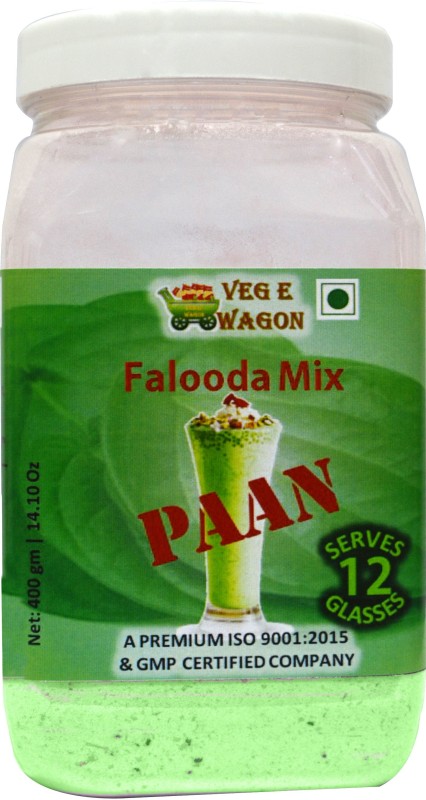
Description
The foundation of falooda goes back to a country, where a similar dessert, faloodeh, was popular.[7] The dessert came to Medieval India with the many Muslim merchants and dynasties that settled in the Indian subcontinent in the 16th to 18th century.[7] The present form of falooda was developed by the Mughal Empire and spread with its many conquests. Muslim rulers who succeeded from the Mughals patronized the dessert with their own adaptations, specifically in Hyderabad Deccan and the Carnatic areas of present-day India.[1] This dessert is now a major part of Pakistani and Bangladeshi culture, specially served on Islamic holidays and other occasions. It is also a well known part of Sri Lankan modern culture.



Reviews
There are no reviews yet.