

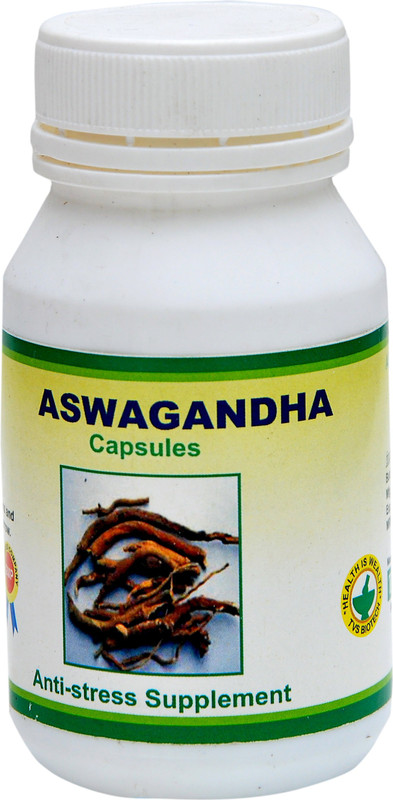
Description
Ashwagandha is from Sanskrit, combining ashva, which means horse, and gandha meaning smell. The root itself is said to have a very strong horse-like odor and its namesake is also owed to the fact that Ashwagandha bestows stallion strength. Colloquially, Ashwagandha is also sometimes called Indian ginseng, which is not to be confused with Chinese ginseng. Ashwagandha has been popular in Ayurvedic medicine for millennia. It was traditionally used to treat anxiety, low energy and combat aging. Sometimes, it was also utilized to lower inflammation and fight infection. Even for healthy people, Ashwagandha was thought to be an overall body tonic to increase general health, strength and wellbeing. In natural medicine, Ashwagandha is considered to be adaptogenic. Adaptogens are herbs or botanical substances that help to balance our bodys physiological systems (such as our adrenals and nervous system) to better adapt to stress or external assaults. More specifically, Ashwagandha may help to balance the hormones that contribute to anxiety. On one hand, it can fire up your body and give you energy when youre feeling fatigued and burned out. On the other hand, it can also suppress stimulatory hormones when youre strung out and stressed. Ashwaghanda can also depress the central nervous system, inducing relaxation and aiding sleep. This is clinically helpful for stress and anxiety disorders, which tend to involve two extremes of high stress and stimulation, combined with fatigue and adrenal exhaustion. The hormone-modulating effect of Ashwagandha is thought to be facilitated by several naturally-occurring phytochemicals. The most highly researched phytochemicals include lactones and alkaloids, which are referred to as withanolides. Researchers believe that withanolides are able to act as precursors to the hormones which regulate our stress and relaxation responses. Many clinical studies support what our ancient predecessors already knew; Ashwagandha can help to regulate stress. In addition to the anecdotal evidence provided by our forebears, modern medicine is adding to the Ashwagandha story. In 2012, a study of 64 volunteers diagnosed with anxiety were allocated to take either Ashwagandha or a placebo during a two month period. By the end of the trial, the Ashwagandha treatment cohort showed significantly lower anxiety and – heres the real kicker – 28% lower levels of serum cortisol (the stress hormone). In addition to feeling less stressed, the treatment group also showed improvements in depression, insomnia, social dysfunction and productivity. This is important for a number of reasons. Firstly, clinically measuring cortisol levels eliminates the possibility of a self-perceived improvement in anxiety. i.e. Its not a subjective improvement. Furthermore, a drop in elevated cortisol provides a cascade of positive domino effects in our body. High cortisol can create long-term fatigue and brain fog, plus it influences the parts of our brain that process memory and emotions. You dont want prolonged, excess levels of this stuff! In an earlier study in 2009, another group of people with moderate to severe anxiety were given either Ashwagandha or psychotherapy. Again, Ashwagandha proved to be more effective, providing up to 50% higher improvements in anxiety. Other studies have shown that Ashwagandha may be useful for helping people with agoraphobia, adrenal hyperplasia and stress-related fertility problems. Ashwagandha may also indirectly help with sex drive and aging, by reducing emotional and chemical stressors.



Reviews
There are no reviews yet.