
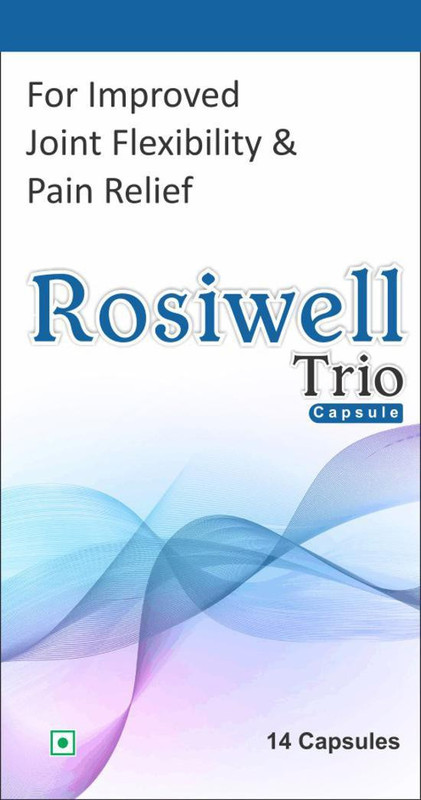
Description
Devil’s claw is used for “hardening of the arteries” (atherosclerosis), arthritis, gout, muscle pain (myalgia), back pain, fibromyalgia, tendonitis, chest pain, gastrointestinal (GI) upset or heart burn, fever, and migraine headache. It is also used for difficulties in childbirth, menstrual problems, allergic reactions, loss of appetite, and kidney and bladder disease. Some people apply devil’s claw to the skin for injuries and other skin conditions. Devil’s claw contains chemicals that might decrease inflammation and swelling and resulting pain. Back pain.Taking devil’s claw by mouth seems to reduce low-back pain. Devil’s claw seems to work about as well as some non-steroidal anti-inflammatory drugs (NSAIDs). Osteoarthritis.Taking devil’s claw alone, with other ingredients, or along with nonsteroidal anti-inflammatory drugs (NSAIDs) seems to help decrease osteoarthritis-related pain. Some evidence suggests that devil’s claw works about as well as diacerhein for improving osteoarthritis pain in the hip and knee after 16 weeks of treatment. Some people taking devil’s claw seem to be able to lower the dose of NSAIDs they need for pain relief. Rheumatoid arthritis (RA).Early research suggests that taking devil’s claw extract by mouth might not improve RA. It also helps with Gout, high cholesterol, muscle pain, migraine, skin injuries, upset stomach and a number of other problems. Rosehip is a herbal medication with anti-inflammatory properties. Its available over the counter in capsule form. Evidence suggests that rosehip may be effective in relieving some symptoms associated withrheumatoid arthritisandosteoarthritis. Rosehip extract contains polyphenols and anthocyanins, which are believed to ease joint inflammation and prevent joint damage. Its also rich in vitamin C, which has antioxidant properties. Antioxidants are substances that can override harmful molecules (free radicals) which are produced within your cells and which may cause tissue damage or disease. Other studies have found that it can reduce the production of specific enzymes that break down cartilage. Osteoarthritis.Most research shows that taking rose hip by mouth can reduce pain and stiffness and improve function in people with osteoarthritis. Rheumatoid arthritis (RA).Early research shows that taking rose hip by mouth improves some symptoms of RA. Boswellia, also known as Indian frankincense, is an herbal extract taken from theBoswellia serratatree. Its believed to treat chronic inflammatory illnesses as well as a number of other health conditions. Studies show that boswellia may reduce inflammation and may be useful in treating the following conditions: Osteoarthritis (OA), Rheumatoid arthritis (RA), Asthma, Inflammatory bowel disease (IBD) Because boswellia is an effective anti-inflammatory, it can be an effective painkiller and may prevent the loss of cartilage. Some studies have found that it may even be useful in treating certaincancers, such asleukemiaandbreast cancer. Boswellia may interact with and decrease the effects of anti-inflammatory medications. Talk to your doctor before using boswellia products, especially if youre taking other medications to treat inflammation. On Osteoarthritis: Many studies of boswellias effect on OA have found that its effective in treating OA pain and inflammation. One2003 studypublished in the journalPhytomedicinefound that all 30 people with OA knee pain who received boswellia reported a decrease in knee pain. They also reported an increase in knee flexion and how far they could walk. Newerstudiessupport the continued use of boswellia for OA. Anotherstudy, funded by a boswellia production company, found that increasing the dosage of enriched boswellia extract led to an increase in physical ability. OA knee pain decreased after 90 days with the boswellia product, compared to a lesser dosage and placebo. It also helped reduce the levels of a cartilage-degrading enzyme. On Rheumatoid Arthritis Studies on the usefulness of boswellia in RA treatment have shown mixed results. Anolder studypublished in theJournal of Rheumatologyfound that boswellia helps to reduce RAjoint swelling. Some research suggests that boswellia may interfere with the autoimmune process, which would make it an effective therapy for RA.Furtherresearchsupports the effective anti-inflammatory and immune-balancing properties.


Reviews
There are no reviews yet.